Early Detection for the Building Trades
Your work builds our communities – bridges, roads, buildings – but it also exposes you to occupational hazards that increase your risk for serious illnesses. UDS Health’s early detection program is designed specifically for building trades professionals. With Full-Body Ultrasound as the cornerstone of our screenings, we detect cancers and cardiovascular disease before symptoms appear, giving you the peace of mind to focus on what you do best.
Comprehensive Health Screenings for Building Trades

Comprehensive Diagnostic Health Screening
Our comprehensive ultrasound screenings provide a thorough evaluation of your health by examining nine essential organs.
Show More
This service includes onsite delivery, detailed reports from both a Radiologist and a Cardiologist, and a consultation with a Nurse Practitioner if any positive results are found. We also offer follow-up care coordination for any abnormal findings.
Areas Examined:
- Heart (Echocardiogram)
- Carotid Arteries
- Aortic Aneurysm
- Thyroid
- Liver
- Spleen
- Kidneys
- Bladder
- Gallbladder
- Pelvic ultrasounds for women
- Testicular ultrasounds for men.
LDCT Lung / CT heart Calcium Scoring
Low-dose chest CT is a quick, advanced imaging tool that detects early-stage lung and heart conditions, reducing death risk in high-risk patients.
Show More
Low Dose Chest CT Scan
For lung cancer screening takes multiple chest images while the patients lie flat on the X-ray table. The images are combined to reconstruct detailed internal organ images, highlighting the lungs. Due to the high image qualities, the scan can detect a small lung nodule or early stages of lung cancer.
Calcium Scoring
Cardiac computed tomography (CT) for Calcium Scoring uses special x-ray equipment to produce pictures of the coronary arteries to determine if they are blocked or narrowed by the buildup of plaque – an indicator for atherosclerosis of coronary artery disease (CAD). The information obtained can help evaluate whether you are at increased risk for heart attack.


Full-Body MRI
Our Full-Body MRI program offers high-resolution imaging designed to detect masses, lesions, and anatomical abnormalities before symptoms appear.
Show More
This advanced, radiation-free screening provides deeper insight into critical organs and structures to support proactive early detection and long-term health monitoring.
Areas Examined:
- Brain
- Prostate
- Adrenal glands
- Pancreas
- Uterus / ovaries
- Cervical lymph nodes
- Upper airway
- Detects masses, lesions, and anatomical changes before symptoms appear.
- Provides high-resolution imaging for deeper insight beyond traditional screening methods.
- Supports proactive screening for asymptomatic individuals.
Skin Cancer Screening
Our Skin Cancer Screening program focuses on the early identification of suspicious lesions, melanoma, and non-melanoma skin cancers.
Show More
This fast, non-invasive evaluation is especially important for individuals with high sun exposure or occupational risk factors, helping support timely dermatology follow-up when needed.
- Focus on early detection of melanoma and non-melanoma skin cancers.
- Non-invasive and performed quickly on-site.
- Identifies lesions that require dermatology follow-up.
- Especially important for individuals with high sun exposure or occupational risk.


Innovative Biometric Screening Blood Panel
Our Innovative Biometric Screening Blood Panel offers a comprehensive health assessment, screening for early signs of cancer, cardiovascular disease, and Alzheimer’s.
Show More
Chemistry Screening: Screens for Liver Cancer, Biliary Cancer, Diabetes, Gout, Kidney function, Anemia and Liver Disorders
Glucose, Sodium, Potassium, Chloride, Blood Urea Nitrogen, eGFR, BUN/Creatinine ratio, Uric Acid, Inorganic Phosphorus, Calcium, Iron, Total Protein, Albumin, Globulin, Albumin/Globulin Ratio, Total Bilirubin, Alkaline Phosphatase, Gamma-GT, AST (SGOT), ALT (SGPT), LDH
Complete Blood Count (CBC): Screens for Lymphoma & Leukemia, Anemia and other Blood Disorders
White Blood Cell Count (WBC), Red Blood Cell Count (RBC), Hemoglobin, Hematocrit, Platelets, RDW, Mean Corpuscular Volume (MCV), Mean Corpuscular Hemoglobin (MCH), Mean Corpuscular Hemoglobin Concentration (MCHC)
Lipids: Screening for Cardiovascular Risk
APOB, Lp(a), Lp-PLA2, Triglycerides, Total Cholesterol, HDL-High Density Lipoprotein Cholesterol, LDL-Low Density Lipoprotein Cholesterol, VLDL- Very Low-Density Lipoprotein Cholesterol, Cholesterol/ HDL-Cholesterol, Estimated Coronary Heart Disease Risk
Urinalysis: Screens for Bladder and Kidney Cancers
Color, Leukocyte esterase, Ketones, pH, Appearance, Nitrate, Occult Blood, Protein, Specific Gravity, Bilirubin, Glucose, Urobilinogen, Microscopic examination of urine sediment
Thyroid Stimulating Hormone: Screens for Thyroid Disease
Hemoglobin A1C: Screens for Diabetes
Prostate-Specific Antigen (PSA): Screens for Prostate Cancer
Performed on males 40 years of age and older
Cancer Antigen 125 (CA-125): Screens for Ovarian Cancer
Performed on all females
APOE4 Gene Testing: Screens for Alzheimer’s disease
American Heart Association/American College of Cardiology: Atherosclerotic Cardiovascular Disease Risk
Calculation of an individual’s risk of developing a cardiovascular problem such as a heart attack or stroke within the next 10 years. Calculated for those individuals over the age of 40.
Advanced Multi-Cancer Early Detection (MCED) Program
We are proud to offer the Multi-Cancer Early Detection (MCED) Program, a groundbreaking screening tool.
Show More
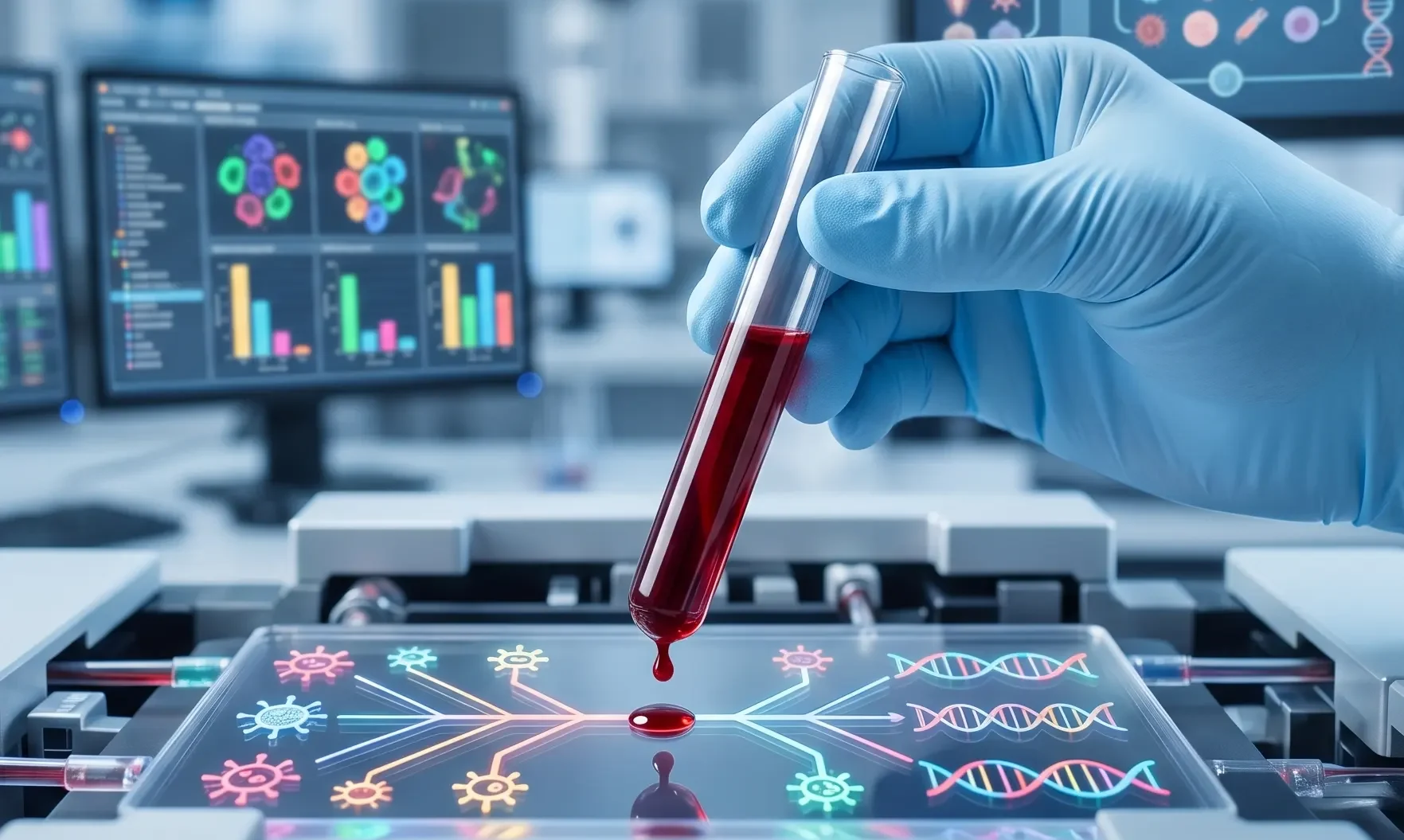
This innovative blood-based test detects DNA markers associated with cancer and identifies the tissue of origin, demonstrating impressive results in detecting early-stage cancers, including those challenging to diagnose through conventional screening methods.
How Advanced Multi-Cancer Early Detection (MCED) Works
- Cell-Free DNA Methylation Analysis: The Advanced Multi-Cancer Early Detection (MCED) employs next-generation sequencing to detect specific methylation patterns in cell-free DNA (cfDNA), indicating the presence of cancer. This advanced technique analyzes the natural process of methylation, which regulates gene expression and often exhibits abnormal patterns in cancer cells.
- High Specificity and Sensitivity: The Multi-Cancer Early Detection (MCED) Program offers exceptional sensitivity for numerous cancer types while maintaining a low false-positive rate. Its ability to predict the tissue of origin aids in guiding follow-up testing and diagnosis, enhancing the overall efficiency of cancer detection.
Benefits of Choosing the Multi-Cancer Early Detection (MCED) Program
- Comprehensive Screening: Unlike traditional cancer screenings that target single cancer types, the Multi-Cancer Early Detection (MCED) Program screens for over 50 different cancers in one test. This comprehensive approach provides a more thorough evaluation of an individual’s cancer risk.
- Potential for Improved Outcomes: Early cancer detection is crucial for successful treatment and improved survival rates. The ability of Advanced Multi-Cancer Early Detection (MCED) to detect cancer at early stages plays a pivotal role in potentially saving lives by enabling timely interventions.
- Seamless Integration: Our partnership allows for the seamless integration of the Multi-Cancer Early Detection (MCED) Program with our existing diagnostic services, offering a comprehensive early detection solution that combines advanced blood-based screening with traditional imaging techniques.
By incorporating the Multi-Cancer Early Detection (MCED) Program into our service offerings, we aim to provide our patients with cutting-edge cancer screening technology, potentially improving outcomes through early detection and targeted follow-up care.

Comprehensive Occupational Health & Wellness Program
Our Occupational Health Screening Program delivers a complete, medically guided assessment designed for the unique needs of high-exposure professions such as construction, public safety, and skilled trades. The goal is to detect early signs of occupational disease, assess fitness for duty, and promote long-term wellness through evidence-based preventive testing.
Show More
Physical & Functional Evaluation
A licensed clinician conducts a full head-to-toe physical assessment, focusing on cardiovascular, pulmonary, neurological, and musculoskeletal health. Key elements include:
- Vital signs and general health evaluation
- Cardiovascular, pulmonary, and gastrointestinal examinations
- Lymph node and neurological system assessments
- Musculoskeletal evaluation with range of motion and functional mobility review
Blood & Laboratory Analysis
Comprehensive bloodwork provides critical insights into organ function, inflammation, and disease risk:
- Complete blood count and metabolic panel
- Liver and kidney function tests
- Advanced cardiovascular biomarkers: ApoB, Lp(a), hs-CRP, lipid profile
- Glucose and HbA1c for metabolic health
- Alzheimer’s risk screening (APOE4 genotype, if requested)
Urinalysis
Routine dipstick and microscopic urinalysis to evaluate kidney function, hydration, and potential blood or protein abnormalities indicative of early disease.
Cardiopulmonary Testing
- Pulmonary function testing (Spirometry): annually for smokers, every three years for nonsmokers
- Chest Imaging: low-dose CT or X-ray as indicated by exposure or clinical findings
- Cardiac Stress Testing: treadmill-based EKG with VO₂ estimation, frequency based on age and risk profile
Vision & Hearing Screening
Evaluation of distance, near, color, and peripheral vision along with audiometric testing for occupational hearing protection and baseline health tracking.
Cancer & Specialty Screenings
Evidence-based cancer screening protocols tailored to individual risk:
- Prostate (PSA), breast, testicular, cervical, and thyroid evaluations
- Colorectal cancer testing (fecal occult, sigmoidoscopy, or colonoscopy)
- Skin examinations and patient education for self-monitoring
- Optional cancer biomarkers (CA-125, CA 19-9, CEA, etc.)
Immunizations & Infectious Disease Prevention
Keeping members up to date on critical vaccinations and screenings:
- Tuberculosis, Hepatitis B/C, HIV, Tetanus, Influenza, and MMR
- Hepatitis A, Varicella, and Polio vaccines as indicated
Heavy Metal & Special Exposure Testing (As Needed)
Targeted testing for workers exposed to hazardous materials, including:
- Lead, arsenic, mercury, cadmium, chromium, nickel, zinc, and beryllium
- Organophosphates (RBC cholinesterase) and PCB panels
- Specialized follow-up imaging and gastrointestinal testing when clinically indicated
Mammography Screening
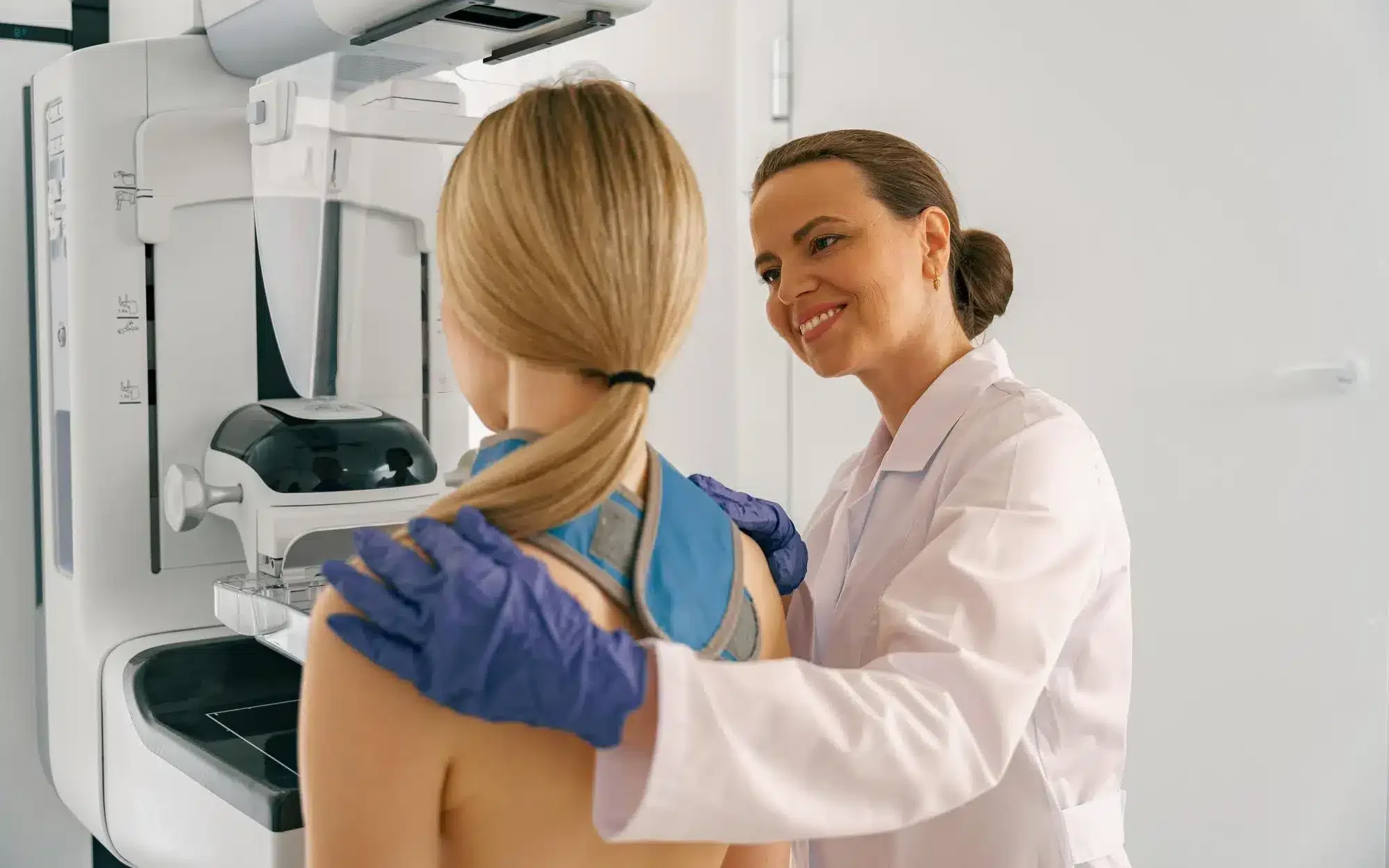
Mammography screening is an essential tool for the early detection of breast cancer. With mobile breast imaging services, patients gain convenient and accessible care right in their communities.
Show More
Using advanced imaging technology, mammograms can detect tumors that are too small to be felt or seen through other methods. This early detection plays a critical role in improving treatment outcomes, as identifying potential issues sooner increases the likelihood of successful intervention and survival.
Mobile mammography services make it easier for women to prioritize their health by offering screenings close to home or work. This convenience encourages more women to get screened, leading to earlier diagnoses and better chances for effective treatment. Regular mammograms are key in catching breast cancer early, even before symptoms develop, providing a significant advantage in the fight against this disease. Women of recommended screening age should prioritize regular mammograms to ensure the best possible protection against breast cancer.
Ready to learn more? Book your free overview today!
Risk Snapshot – Why It Matters for Building Trades
Construction, plumbing, electrical, painting, and finishing trades expose workers to invisible hazards that accumulate over time. Dust, fumes, chemicals, and diesel exhaust can silently damage vital organs, often progressing without symptoms until serious disease develops. Cardiovascular disease, lung cancer, and other occupational illnesses are significantly more prevalent in these industries than in the general population. By identifying risks early, trades professionals gain a crucial advantage in managing their health, making informed decisions, and taking preventative action that can save lives and improve long-term outcomes.
Key Occupational Risks
- Silica dust exposure increases the risk of chronic lung disease and lung cancer.
- Asbestos exposure remains a leading cause of mesothelioma and respiratory complications.
- Diesel exhaust and welding fumes are associated with cardiovascular disease and lung cancer.
- Paints and industrial chemicals contribute to long-term organ damage and elevated cancer risk.
Studies confirm trades workers are five times more likely than the general population to develop chronic lung disease. Cardiovascular disease remains a leading cause of premature death, and cancers detected at an early stage can see survival rates improve by more than 70%. UDS Health brings early detection directly to unions and councils to address these risks head-on.
Comprehensive Health Screenings for Building Trades Members
UDS Health provides a customized approach to early detection, combining full-body ultrasound, low-dose CT, advanced blood panels, and additional testing as needed. Every member completes a work-history and exposure profile before screening, allowing clinicians to tailor testing based on actual occupational risk. This ensures every scan is medically meaningful and focused on the areas most likely to be affected by a member’s trade.
Core screenings include detection of lung cancer, cardiovascular disease, colorectal cancer, skin cancer, prostate cancer for men, thyroid and abdominal conditions, and comprehensive metabolic and blood health assessments. Optional tests, such as pulmonary function, audiometry, and chemical biomarker panels, are incorporated based on specific exposures.
UDS Promise
We are dedicated to protecting the health and longevity of Building Trades members. Our programs provide personalized reports, telemedicine consultations, and guidance on risk reduction, allowing members to proactively manage their health. Union leadership benefits from aggregate, de-identified data, helping guide workforce wellness initiatives. By combining education, empowerment, and preventive screenings, UDS Health ensures members can detect problems early, access follow-up care, and continue to thrive both on and off the job.
Tailored Screening & On-Site Execution – Practical and Precise
Not all trades face the same occupational hazards. Before testing, members complete a detailed work-history and exposure questionnaire, capturing job roles, materials handled, duration of exposure, and known workplace risks. This allows our medical team to personalize every screening plan, ensuring each test is purposeful and directly relevant to the member’s trade.
Through this process, we can:
- Identify at-risk organs or systems based on trade-specific exposures (e.g., concrete workers → lungs; welders → lungs + cardiovascular system).
- Determine additional assessments, such as pulmonary function tests, audiometry, or chemical biomarker panels.
- Prioritize resources for members with the highest exposure risk, ensuring efficient and meaningful evaluations.
Once a customized plan is set, UDS Health brings the screening directly to union halls, training centers, or clinics. Mobile teams conduct all tests – including full-body ultrasound, advanced blood panels, low-dose CT scans, and optional specialized assessments – in a single, coordinated session to minimize disruption and maximize participation.
After testing, members receive secure, confidential reports, along with telemedicine consultations to review results, discuss next steps, and guide follow-up care. For union leadership, we provide de-identified aggregate data to support wellness planning and preventive health initiatives.
Because occupational diseases often develop slowly, periodic rescreening every 2–3 years is recommended, keeping members informed and proactive in managing their health over time.
By combining personalized exposure profiling with streamlined on-site screening, UDS Health makes early detection accessible, actionable, and tailored. Members gain peace of mind, clear guidance, and steps to protect their long-term health, while unions receive insights and support to foster a safer, healthier workforce.
Who We Work With