The American Cancer Society recently released its Cancer Prevention & Early Detection Facts & Figures 2026 report, and the findings offer a powerful roadmap for our health. While cancer remains a significant challenge, this latest data shows that many of the most impactful risk factors are within our power to change or manage. By staying informed about the latest trends in tobacco use, lifestyle choices, and screening schedules, you can take proactive steps to protect yourself and your loved ones.
You can access the full American Cancer Society report here.
The Tobacco Landscape: Historic Victories and New Hurdles
There is a major public health victory to celebrate in 2026: cigarette smoking among adults in the United States has reached a historic low of just 10 percent. This is a massive drop from the peak prevalence of 42 percent in 1965. However, the report reminds us that the work is not finished, as approximately 25 million adults still smoke.
Tobacco remains a primary driver of cancer cases and deaths in the U.S.:
- 86% of lung and bronchus cancer cases are attributable to cigarette smoking.
- 80% of larynx cancer cases are linked to smoking.
- 54% of esophagus cancer cases are caused by cigarette use.
- 55% of oral cavity cancer cases are attributed to smoking.

While traditional cigarette use is declining, new challenges are emerging among younger generations. In 2024, e-cigarettes became the most popular tobacco product for high school students, with 7.8 percent reporting current use. Additionally, nearly 9 in 10 high school students who use tobacco products report using a flavored version, which can make these products more addictive and harder to quit.
Weight, Activity, and Your Health
The 2026 report places a heavy emphasis on the link between body weight and cancer risk. Between August 2021 and August 2023, data showed that 72 percent of U.S. adults ages 20 and over had excess body weight, with 40 percent falling into the category of obesity.
This is a critical area for prevention because excess weight is a known contributor to several specific cancers:
- 53% of uterine corpus cancer cases and deaths are attributable to excess body weight.
- 37% of gallbladder cancer cases are linked to excess weight.
- 35% of liver cancer cases and deaths are associated with body weight.
- 35% of esophagus (adenocarcinoma) cases are linked to excess weight.
Physical activity is one of our best tools for managing weight and lowering overall risk. Currently, less than half of U.S. adults (48 percent) meet the recommended levels for aerobic activity. About one quarter of adults report no leisure time physical activity at all, a trend that varies significantly by state.
The Power of Prevention: Vaccines and Screenings
One of the most effective ways to stop cancer before it starts is through vaccination. The human papillomavirus (HPV) vaccine is a prime example of this technology in action. In 2024, approximately 63 percent of adolescents ages 13 to 17 were up to date with their HPV vaccination series. Because this vaccine can prevent several types of cancer, ensuring children complete the series before their 13th birthday is a vital health step.
Screening remains our most reliable method for catching cancer early when it is most treatable. The 2026 report highlights current utilization rates across the country:
- Cervical Cancer: 78% of eligible females are up to date.
- Breast Cancer: 69% of eligible females have received a mammogram within the recommended timeframe.
- Colorectal Cancer: 65% of eligible adults are up to date with their screenings.
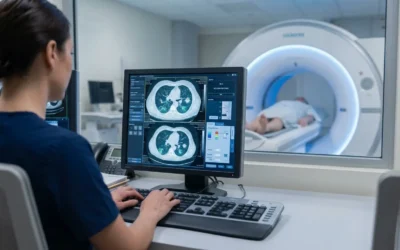
- Lung Cancer: Only 15% of the 18.4 million eligible adults have been screened.

The low rate for lung cancer screening is particularly concerning for public health experts. Increasing these numbers could save thousands of lives by detecting cancer in its earliest, most manageable stages.
A Roadmap for Your Health
The 2026 report is more than just data; it is a roadmap for a healthier life. To take control of your cancer risk today:
- Prioritize screenings: Talk to your healthcare provider about mammograms, colonoscopies, and HPV tests based on your age and family history.
- Vaccinate early: Ensure the adolescents in your family receive the HPV vaccine series as recommended.
- Find support to quit: If you use tobacco or e-cigarettes, look for cessation programs that can help you quit for good.
- Stay active: Incorporate regular aerobic activity into your week to help manage weight and improve overall wellness.